One more picture from the past, 1916/2012.

Online image:

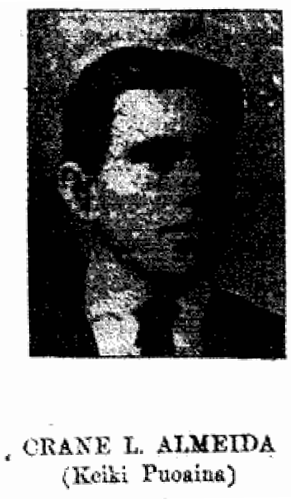
EDWARD K. LILIKALANI (online)

Ke Aloha Aina, Buke XXI, Helu 52, Aoao 4. Okatoba 6, 1916.

Microfilm image:

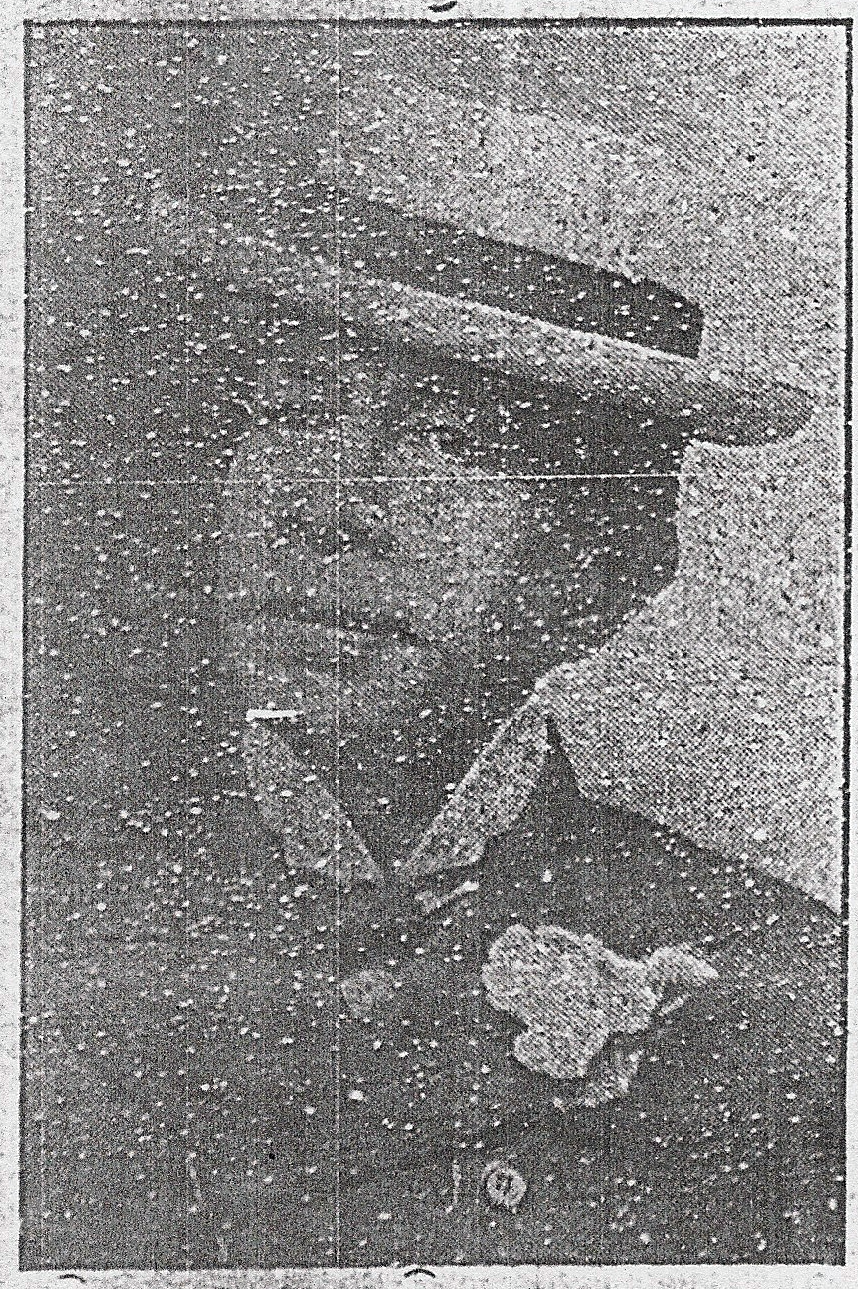
EDWARD K. LILIKALANI (microfilm)

Ke Aloha Aina, Buke XXI, Helu 52, Aoao 4. Okatoba 6, 1916.

Image from original newspaper:

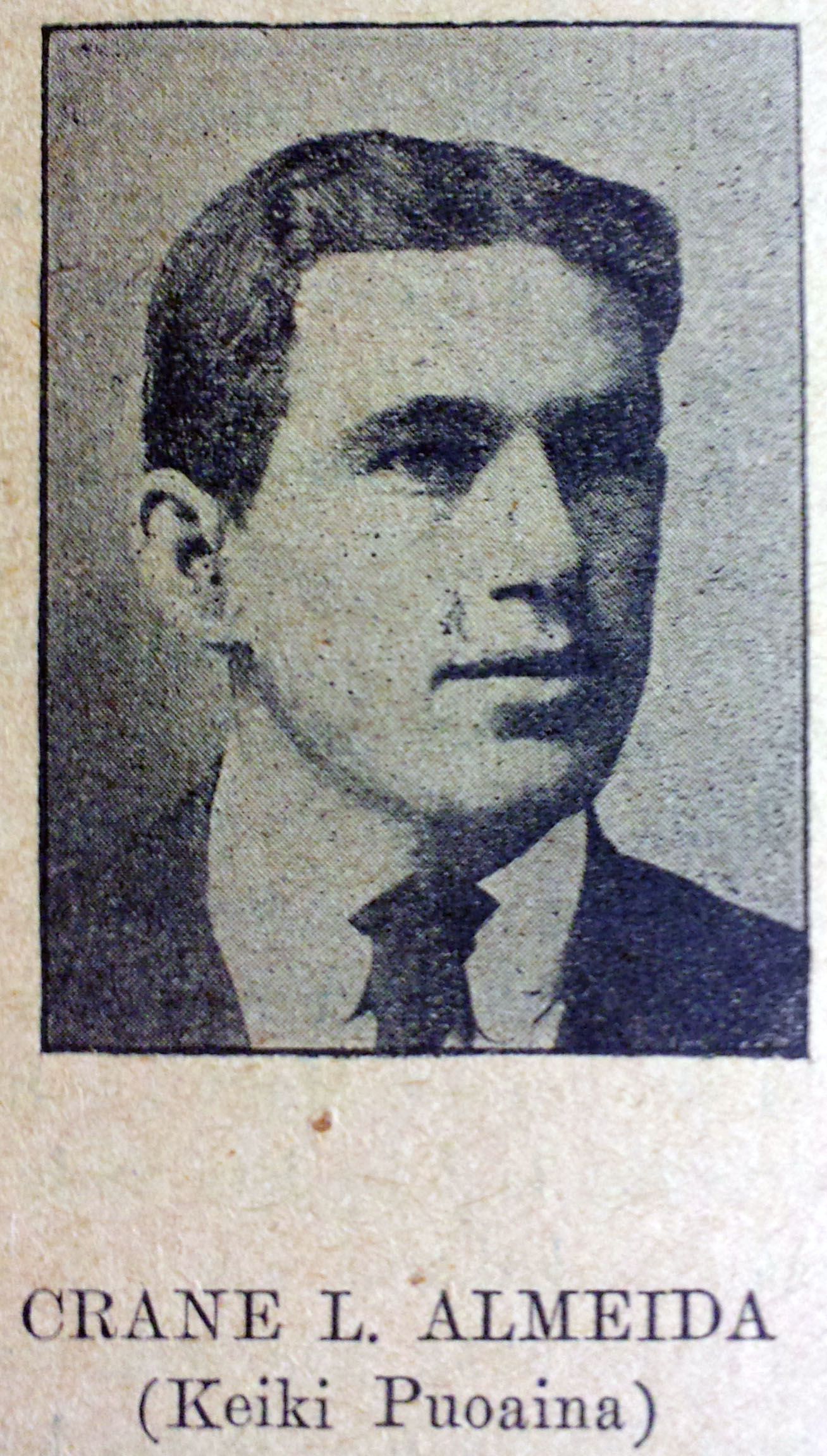
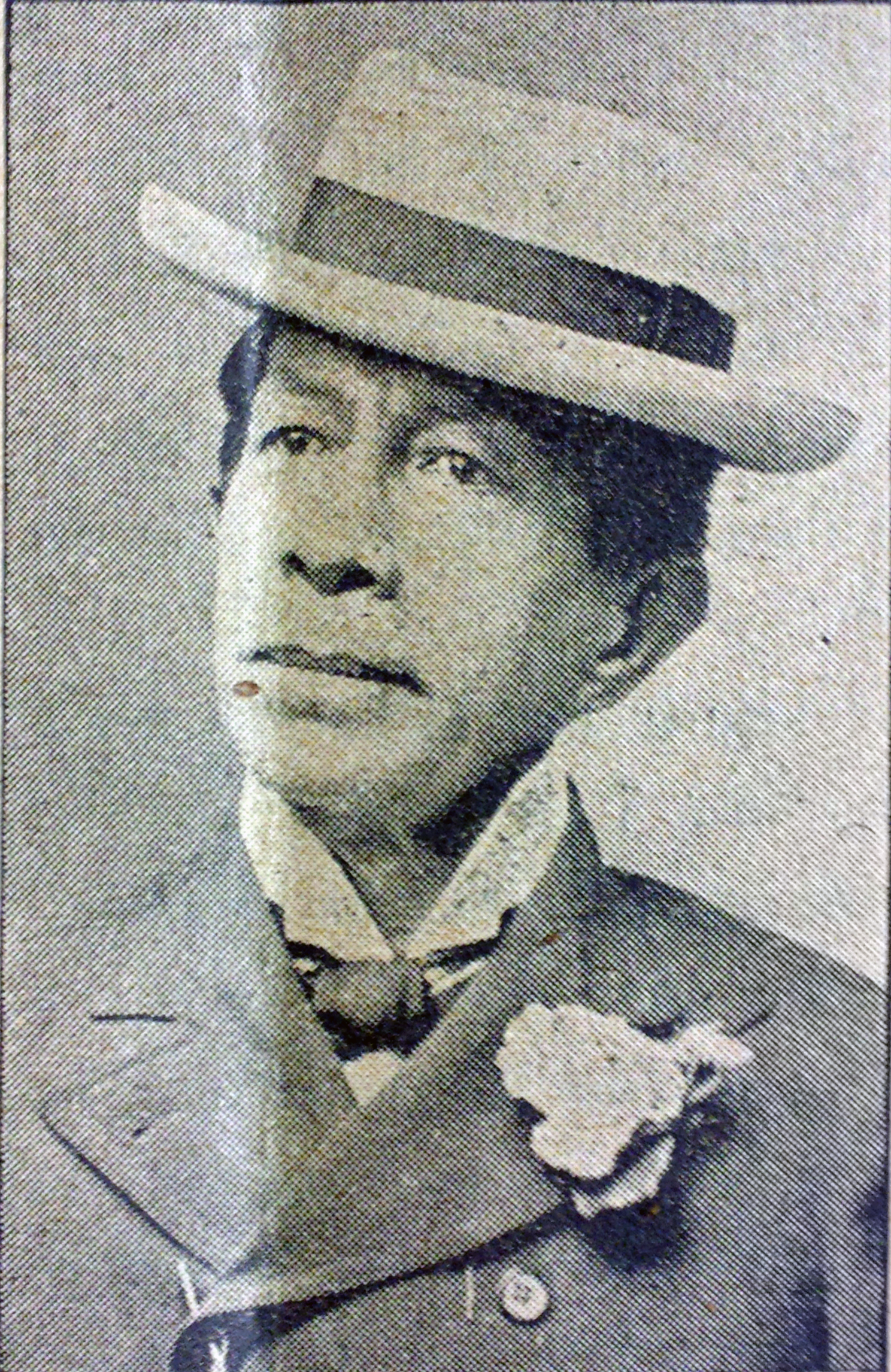
EDWARD K. LILIKALANI (average camera)

Ke Aloha Aina, Buke XXI, Helu 52, Aoao 4. Okatoba 6, 1916.

Pictures from the past and taking clear images of the newspapers, 1916/2012.

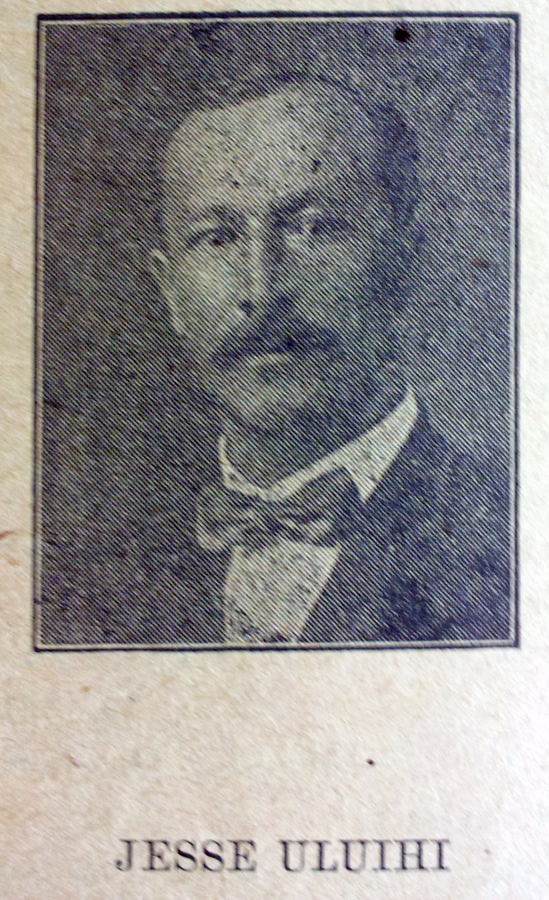
Below are three images of the Jesse Uluihi from the same issue of the newspaper. The first is what you get online, the second from the microfilm, and the third is a shot taken with an average camera (I assume that if scanned on a modern large scanner like at Hamilton Library at UHM, it would be even better).

Online image:

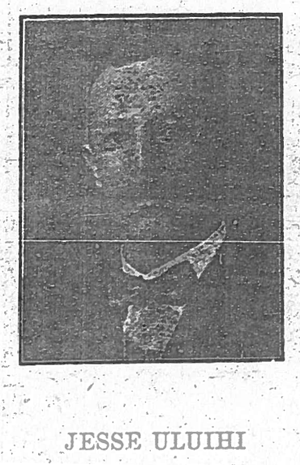
JESSE ULUIHI (online)

Ke Aloha Aina, Buke XXI, Helu 56, Aoao 4. Novemaba 3, 1916.

Microfilm image:

JESSE ULUIHI (microfilm)

Ke Aloha Aina, Buke XXI, Helu 56, Aoao 4. Novemaba 3, 1916.

Image from original newspaper:

JESSE ULUIHI (average camera)

Ke Aloha Aina, Buke XXI, Helu 56, Aoao 4. Novemaba 3, 1916.

Another reason why we need to take new images of the newspapers, 2012.

Yesterday, I was looking for an article that was cited in something I was reading. The citation was for an article on the planting of kalo and the selling of poi and was to be found in Aloha Aina, 5/27/1916.

I of course immediately went online—not there. Then I went to the microfilms—not there. My first instinct was that the citation was wrong. However, there would have been an issue published on that date…

So as a last resort, I went back to the originals. Come to find out, there are in just that year, seven issues that are extant that are not available online or on microfilm…

I am not sure why there isn’t a bigger push to reshoot all of the newspapers so that every word on every page is legible, and so that every page that is still in existence is made easily available online. Sure, the economy is not the best, but if we want to understand the present, and to make better decisions to shape the future, we need to understand the past; not the past as told by those from the outside looking in, but by those living it.