Aftermath, 2012.

aftermath

aftermath

The other day, i needed to go back to find an article that was not online and not even microfilmed. This is what i found afterwards—it’s generally what happens when handling the original Hawaiian-Language Newspapers… You find flakes of newspaper left behind. No matter how carefully they are handled, most of the newspapers are now brittle, and it will inevitably happen. The worst thing i’ve seen, however, are pieces left behind with a letter or two or them.

They should be rescanned soon, so that clear images of each page can be easily accessible. After the pages crumble away like this, it will be too late. Or, are you satisfied with just knowing what a portion of the articles said…

What organizations can facilitate and help to fund this important project?

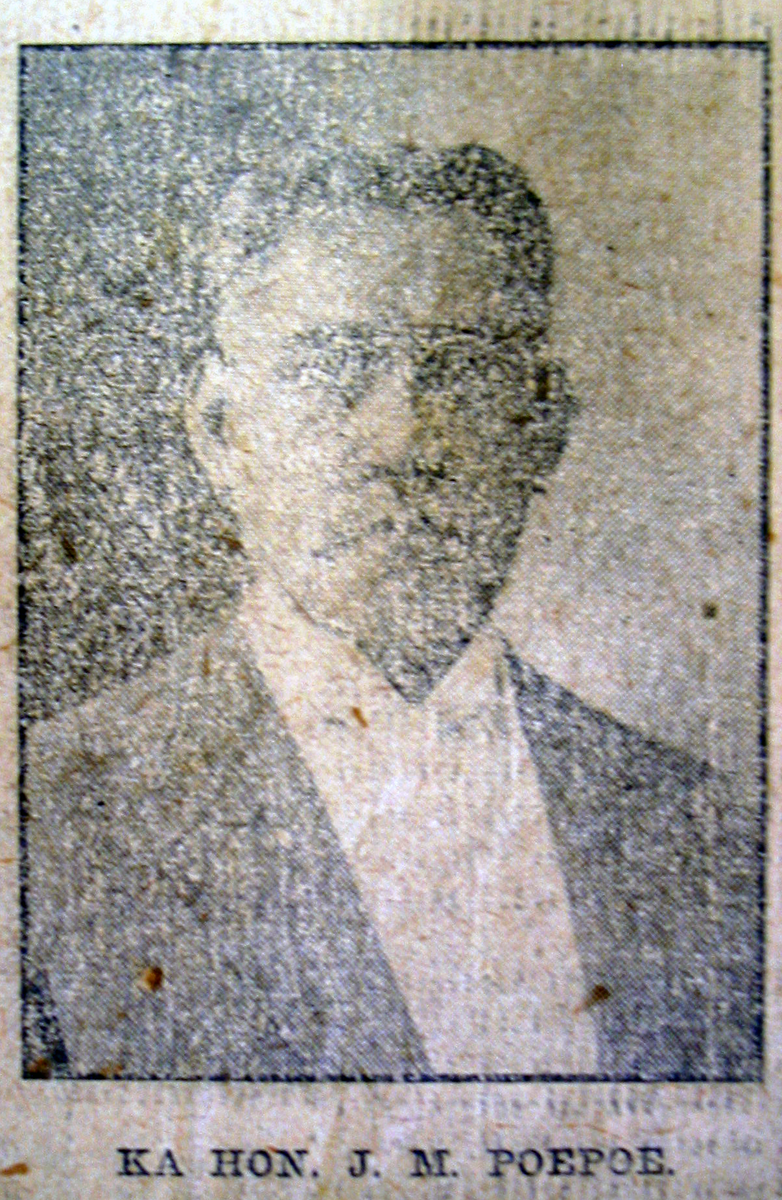
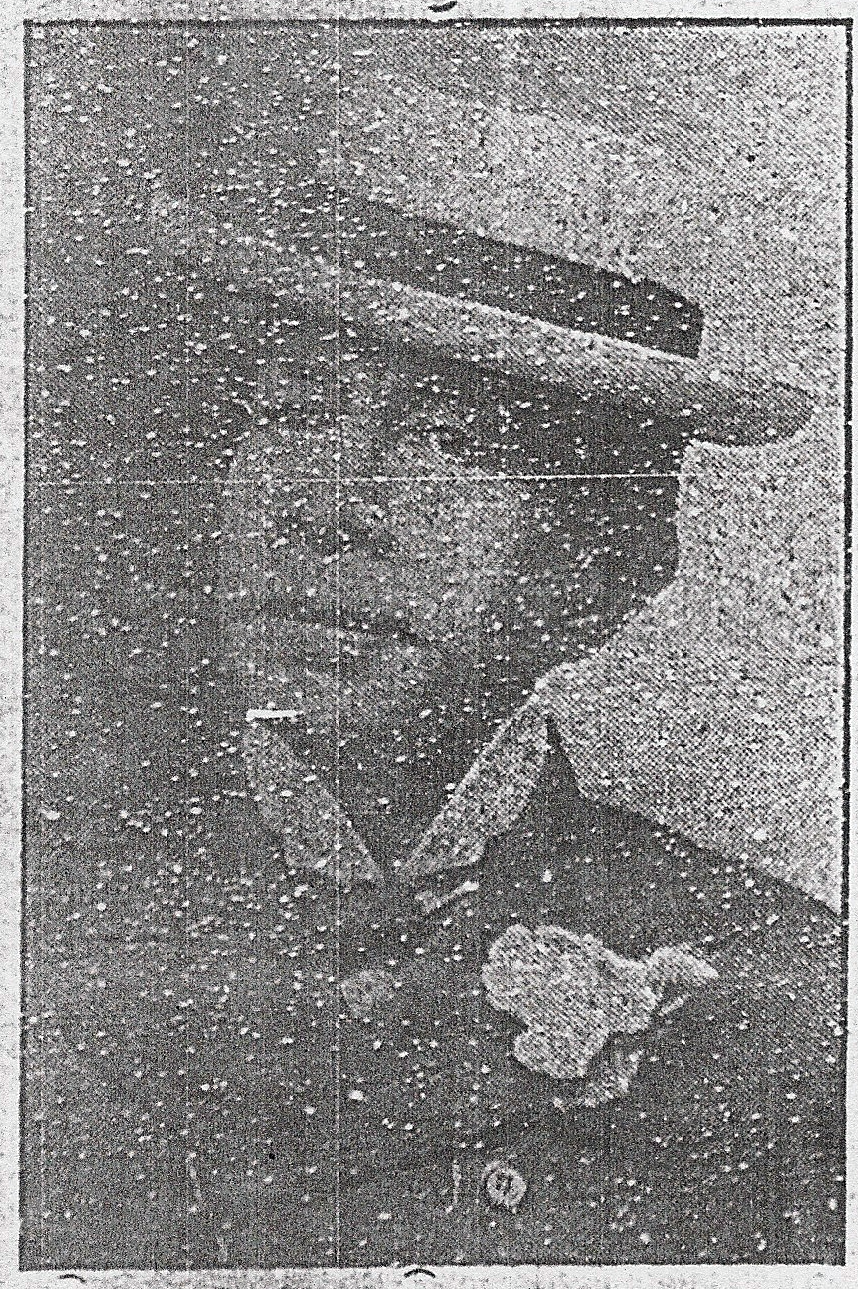
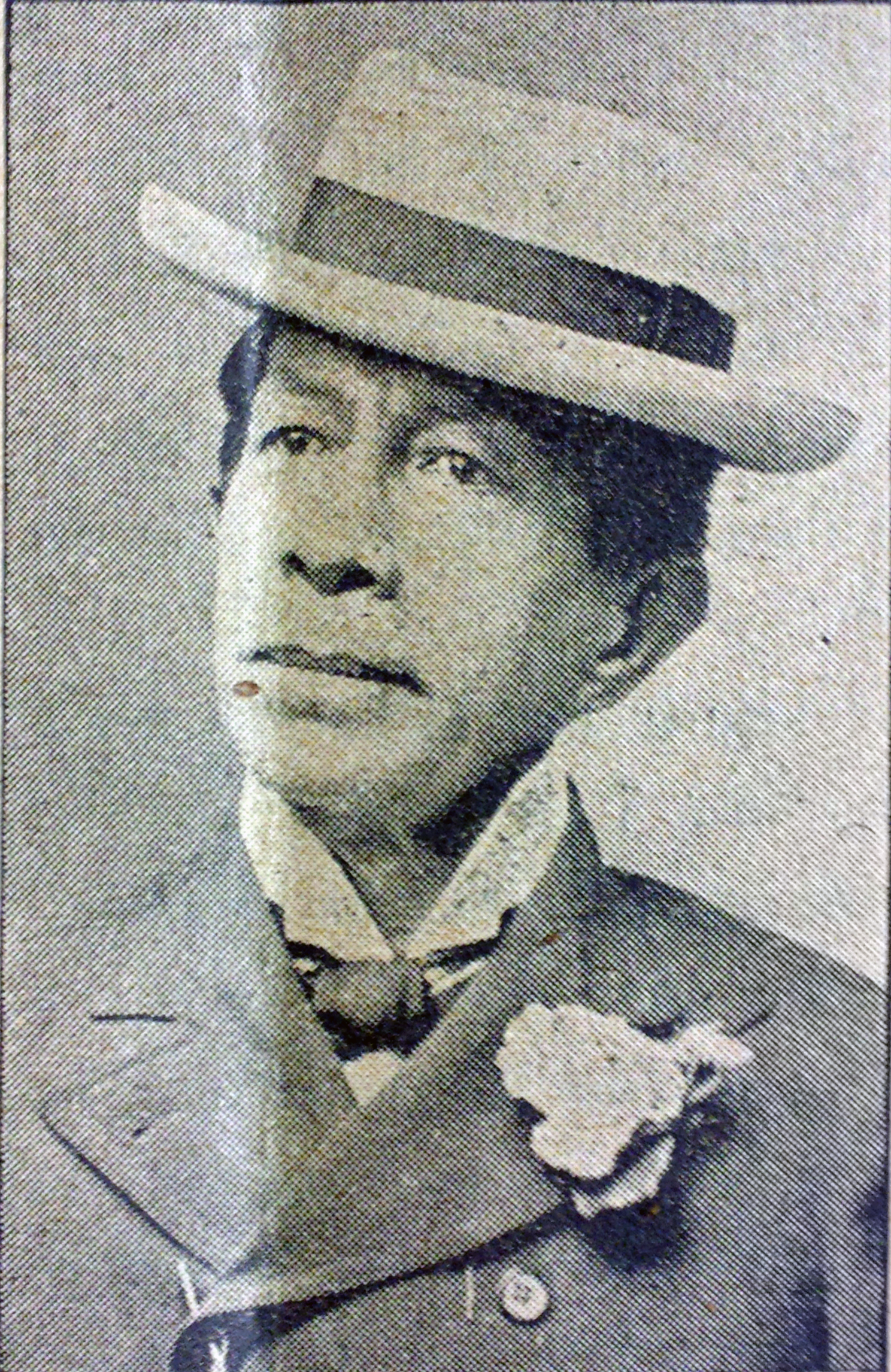
Speaking of pictures, here are the only two known pictures of Joseph Mokuohai Poepoe, 1913/2012.

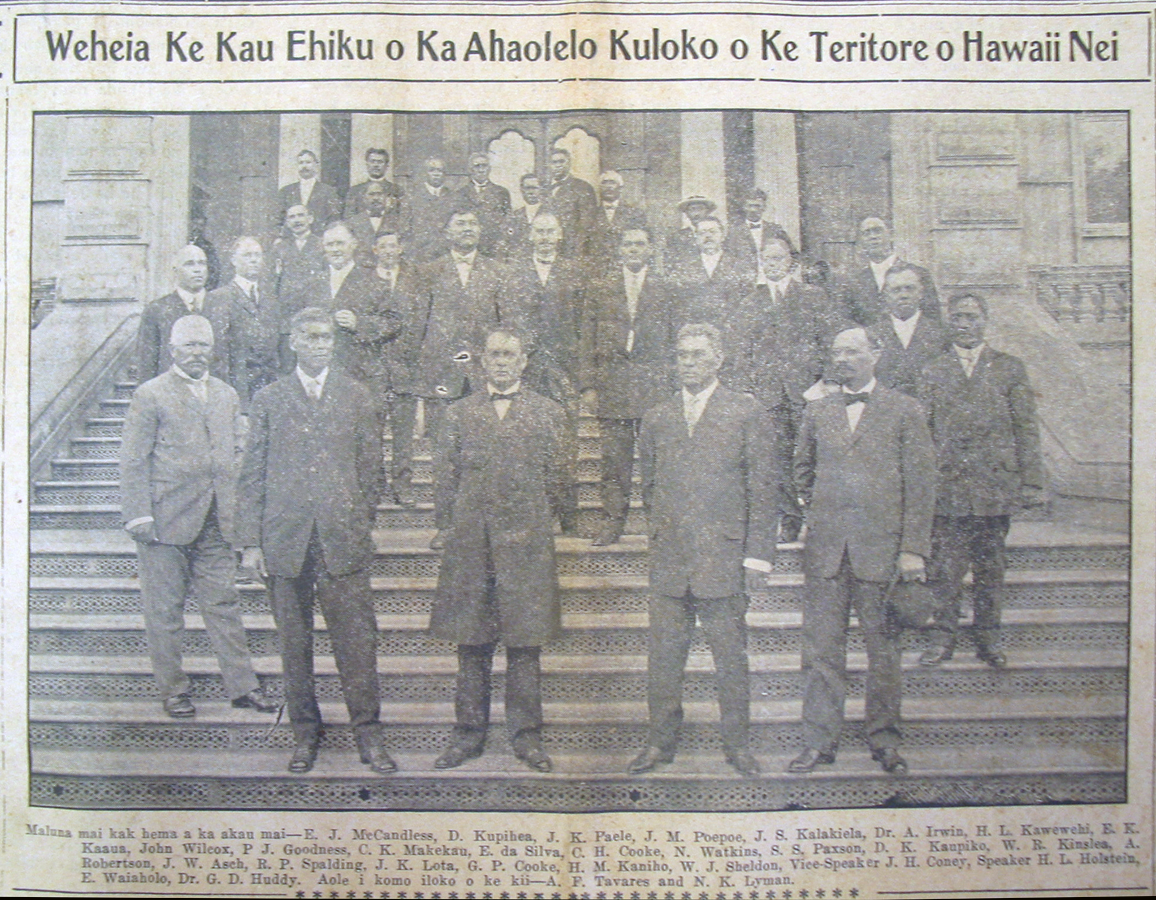
Here is a group picture of the seventh legislature of the Territory in 1913. Poepoe is in the back row, forth from the left.

The caption reads:

The Seventh Legislature of the Territory of Hawaii Nei Opens

Top from the left to right—E. J. McCandless, D. Kupihea, J. K. Paele, J. M. Poepoe, J. S. Kalakiela, Dr. A. Irwin, H. L. Kawewehi, E. K. Kaaua, John Wilcox, P. J. Goodness, C. K. Makekau, E. da Silva, C. H. Cooke, N. Watkins, S. S. Paxson, D. K. Kaupiko, W. R. Kinslea, A. Robertson, J. W. Asch, R. P. Spalding, J. K. Lota, G. P. Cooke, H. M. Kaniho, W. J. Sheldon, Vice-Speaker J. H. Coney, Speaker H. L. Holstein, E. Waiaholo, Dr. G. D. Huddy. Not pictured—A. F. Tavares and N. K. Lyman.

(Kuokoa, 2/21/1913, p. 1)

Weheia Ke Kau Ehiku o Ka Ahaolelo Kuloko o Ke Teritore o Hawaii Nei

Ka Nupepa Kuokoa, Buke L, Helu 8, Aoao 1. Feberuari 21, 1913.

And this one is published upon his passing.

(Kuokoa, 4/18/1913, p. 1)

KA HON. J. M. POEPOE

Ka Nupepa Kuokoa, Buke LI, Helu 15, Aoao 1. Aperila 18, 1913.

[Anyone know of any other pictures of Joseph M. Poepoe?]

Pictures from the past and taking clear images of the newspapers, 1916/2012.

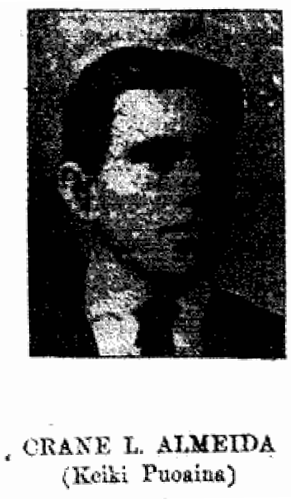
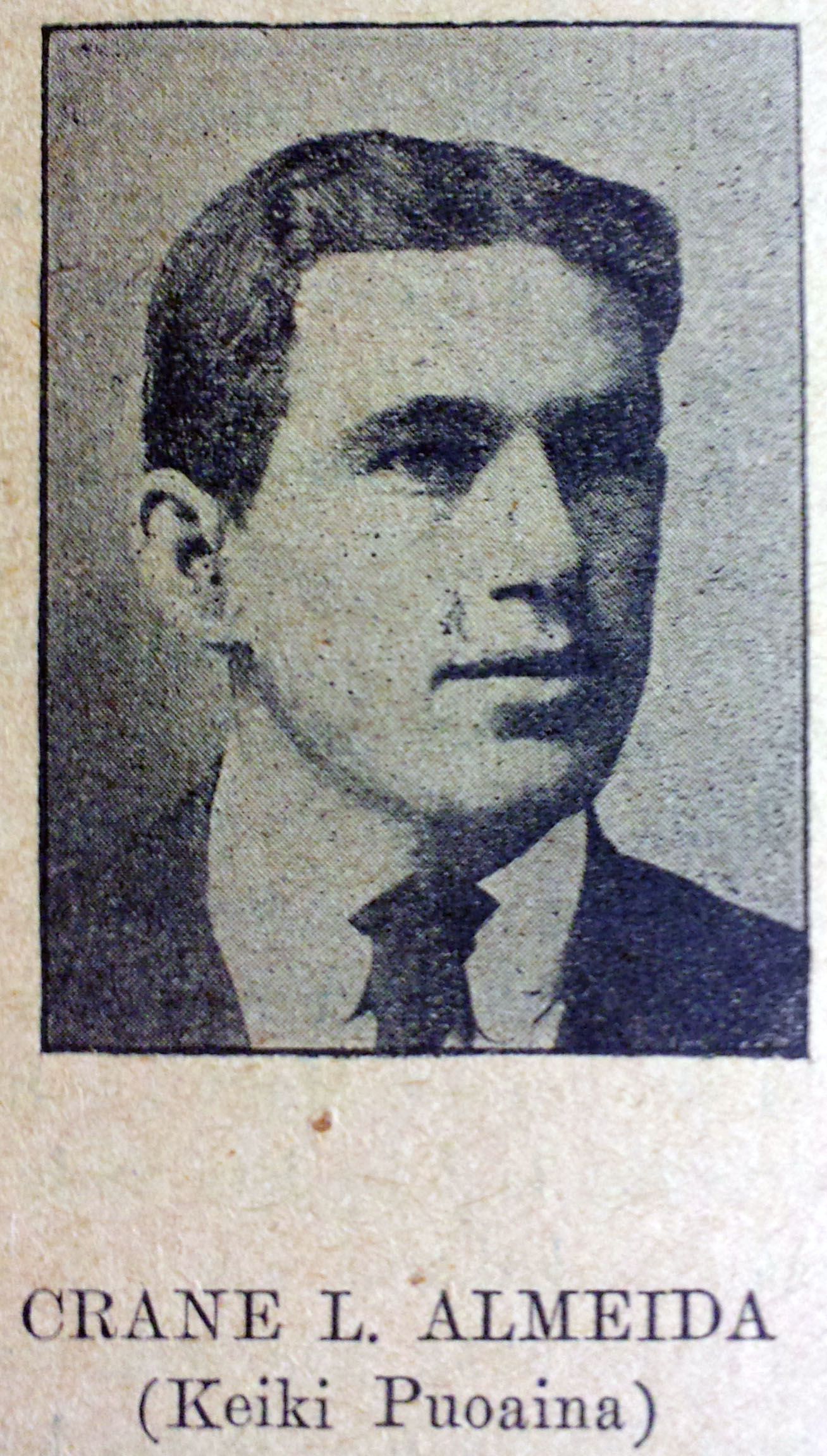
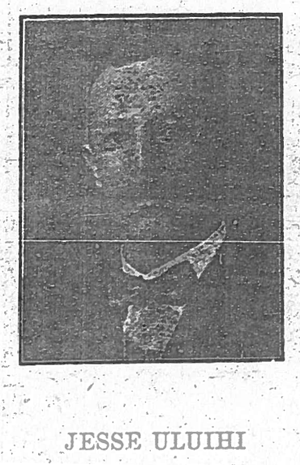
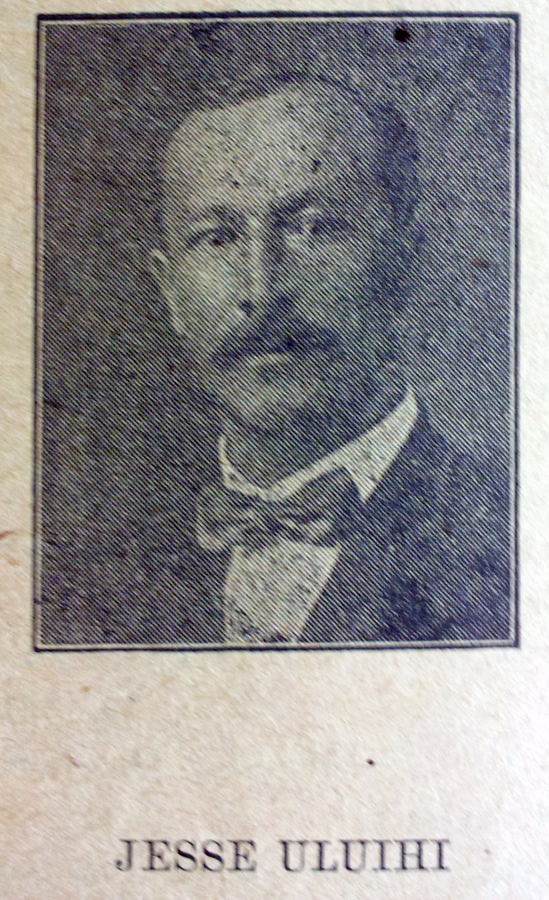
Below are three images of the Jesse Uluihi from the same issue of the newspaper. The first is what you get online, the second from the microfilm, and the third is a shot taken with an average camera (I assume that if scanned on a modern large scanner like at Hamilton Library at UHM, it would be even better).

Online image:

JESSE ULUIHI (online)

Ke Aloha Aina, Buke XXI, Helu 56, Aoao 4. Novemaba 3, 1916.

Microfilm image:

JESSE ULUIHI (microfilm)

Ke Aloha Aina, Buke XXI, Helu 56, Aoao 4. Novemaba 3, 1916.

Image from original newspaper:

JESSE ULUIHI (average camera)

Ke Aloha Aina, Buke XXI, Helu 56, Aoao 4. Novemaba 3, 1916.

Another reason why we need to take new images of the newspapers, 2012.

Yesterday, I was looking for an article that was cited in something I was reading. The citation was for an article on the planting of kalo and the selling of poi and was to be found in Aloha Aina, 5/27/1916.

I of course immediately went online—not there. Then I went to the microfilms—not there. My first instinct was that the citation was wrong. However, there would have been an issue published on that date…

So as a last resort, I went back to the originals. Come to find out, there are in just that year, seven issues that are extant that are not available online or on microfilm…

I am not sure why there isn’t a bigger push to reshoot all of the newspapers so that every word on every page is legible, and so that every page that is still in existence is made easily available online. Sure, the economy is not the best, but if we want to understand the present, and to make better decisions to shape the future, we need to understand the past; not the past as told by those from the outside looking in, but by those living it.

News from today, 2012.

Knowing better what happened in history can empower us to make better decisions for Hawaii and the world… Consider this article reposted from Civil Beat, written by hauMĀNA, an organization of young thinkers at the University of Hawaii at Manoa.

De-Militarize Hawaii.

[The passage deleted by Civil Beat may have been a link to one of many videos on YouTube from Okinawa: Futenma protest of Osprey deployment 9/9/2012.]

Canoe Building, 1924.

The Art of Canoe Building is Being Revived in Hawaii

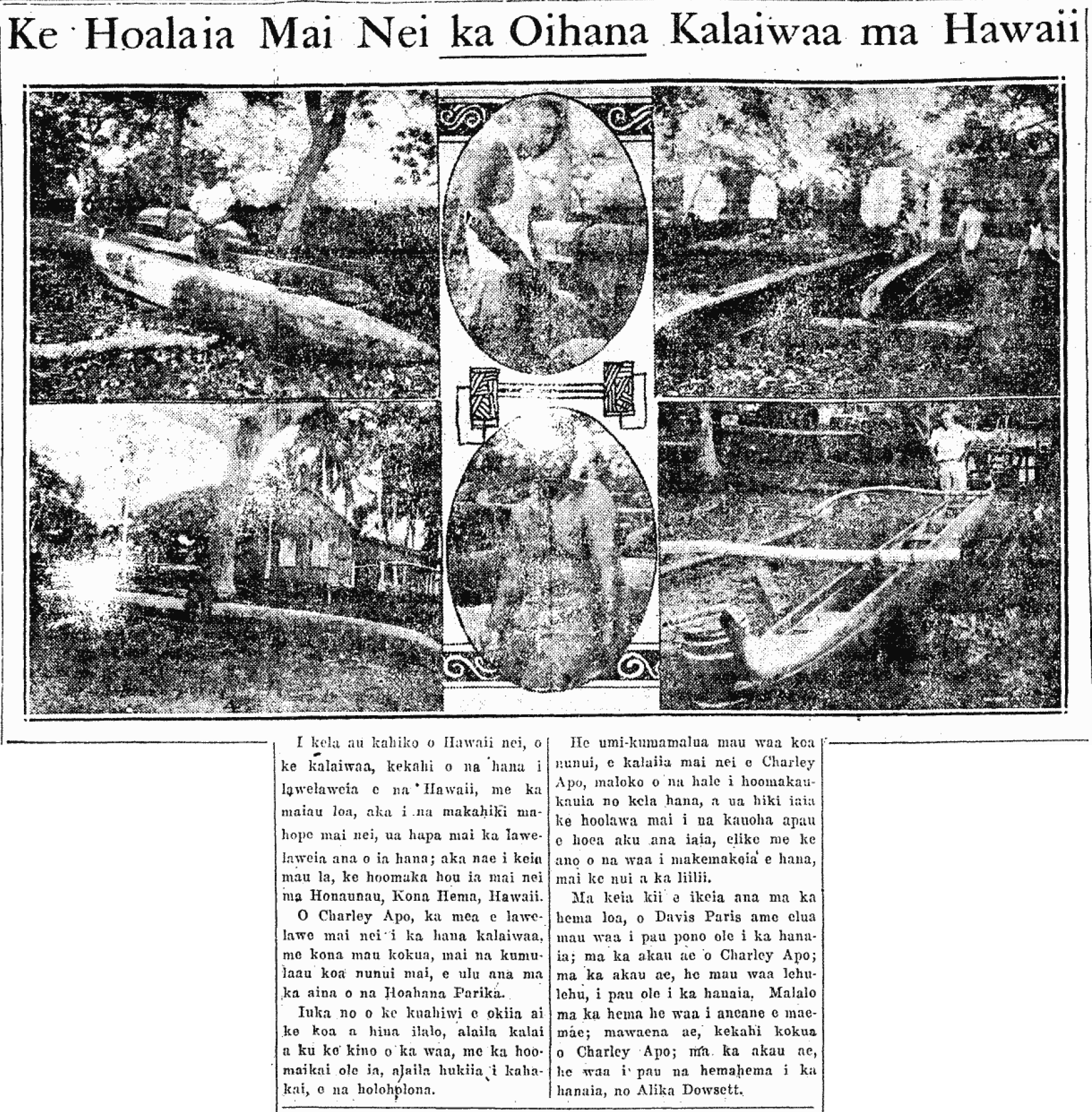
In the olden days of Hawaii nei, canoe building [kalaiwaa] was one of the occupations deftly done by Hawaiians, but during the years since, this work has gone down to but a fraction; but these days, it is being started up once again in Honaunau, South Kona, Hawaii.

Charley Apo along with his assistants are undertaking this endeavor of carving waa from large koa trees growing on the land of Paris and Company [Hoahana Parika ?].

The koa is fell in the high mountains, then it is roughly carved out into the form of a waa, and then dragged to sea by animals.

Twelve large waa are being carved by Charley Apo in a building prepared for this work, and he is able to fill all orders that he receives as per specifications wanted, from large to small.

In the picture on the far left, Davis Paris can be seen with two waa that are unfinished; to the right is Charley Apo ; to the right of that are many unfinished waa. Below on the left is a nearly finished waa; in the middle is an assistant of Charley Apo; to the right of that is a roughly completed waa for Alika Dowsett.

[I wish the newspapers were reshot clearly so not only the words are sharp and legible, but so that pictures and images are as clear as possible…]

(Kuokoa, 6/5/1924, p. 2)

Ke Hoalaia Mai Nei ka Oihana Kalaiwaa ma Hawaii

Ka Nupepa Kuokoa, Buke LXIII, Helu 23, Aoao 2. Iune 5, 1924.

If everyone took care of their kuleana instead of looking for the easiest way out of it… 1899/2012.

THE OLD FARMING MEN

AND THE

OLD FISHERMEN

In times long ago, there lived in Kapalilua, South Kona, Hawaii, four old men; two of them were farmers and the other two were fishermen; the farmers would always supply the fishermen with their vegetable foods, and so too the fishermen would provide for the farmers, and so they shared for a long time.

One day when the fishermen were returning and almost ready to land, they saw the farmers coming down to the plains with a basket of sweet potato; one fisherman said to the other, there are those farmers who gorge on fish. It would be good if we acted cunningly to those old farmers so that those old men don’t get our fish.

So let’s hide the fish under the fish trap [ie] and place the leftover bait [poo maunu] on top, and when they approach the canoe, we’ll say, “O Farmers, we’ve got a problem, we’ve no fish, only the leftover bait;” the two fishermen decided to carry out this treacherous idea.

When they got to the beach, there stood the elderly farmers. The fishermen said in a smooth [nalali ?] voice, “O Farmers, we’ve got a problem, there’s no fish on this canoe, we’ve just turned back for today, with just the leftover bait for this day;” the fishermen opened the cover of the trap [hinai] and said to the farmers, “this is the remaining bait, and so it that,” and so forth, and the farmers were left disappointed.

It was a rule for fishermen not to give away the leftover bait to others; it was something that the fishermen ate. And so that day, the farmers went without fish and ate only some taro [kuala] without any fish, while the fishermen had their vegetable food and fish as they laughed; so it went the next day; the farmers were left without fish because of the actions of the fishermen.

On another day, while the farmers were headed up to their fields, they arrived at a resting point where they took a break, and one said to the other, “Hey, listen to this, we are being troubled by the fishermen.” “Yes, the fishermen are troublesome.”

“Today, let us act wisely; let’s go upland for sweet potato for us to eat, and when we descend, let’s stick in the vines growing from broken pieces of sweet potato [ohulu] and when we get to the shore, and the fishermen return, let’s say, ‘You fishermen have a problem; we only have broken bits of potato [ku-oo] to eat;’ then they’ll eat their fish without vegetable, and we’ll have our vegetable without fish; we will not die, it is they that will die.”

The two of them went into the uplands and got their food, and commenced breaking and crumbling up the uala; they then walked down and when they came to the harbor where the fishermen came ashore, they landed and said, “You two are in a bind again, O Farmers; we only have leftover bait.”  The Farmers replied, “Yeah, should you two fishermen have nothing, that is a problem for us, and we have nothing.”

Then, the old farmers said, “That goes for us as well, we kept searching our patch, and there was no whole potatoes, just pieces. So you fishermen are in trouble, there are only pieces;” showing them, “Look, these are only pieces, those are pieces,” and so forth.

So the fishermen went home and ate their fish without vegetable, and the farmers ate their vegetable without fish, but the farmers were satisfied.

That night, the fishermen went fishing for aweoweo, and while they fished, one said to the other, “We are being troubled by the farmers; it is certain that we cannot live if we just have fish to eat;” the other agreed, “Yes, those old men are so crafty, yes, they are so clever.”

“So the right thing for us to do is to fish, and when we’re done, we come back and kill those old men.”

The place these fishermen were talking was outside of Olelomoana, and while these old fishermen were talking, the plot of the fishermen was heard by the farmers in the upland. At that, the farmers crawled that night from Olelomoana until Kolo, and that is why those places are called Olelomoana [Ocean Talking] and Kolo [Crawl], being that there was talking at Olelomoana and there was crawling to Kolo.

Kapalilua was the only name before, but because of these old men, those places are named these names until this day, and the Honorable W. C. Achi is the owner of those amazing land sections [Ahupuaa]. And so it is said that the fishermen were troubled by the farmers because of the mischief they did to the other.

Kailua Baka Ona

(Lahui Hawaii, 9/16/1899, p. 2)
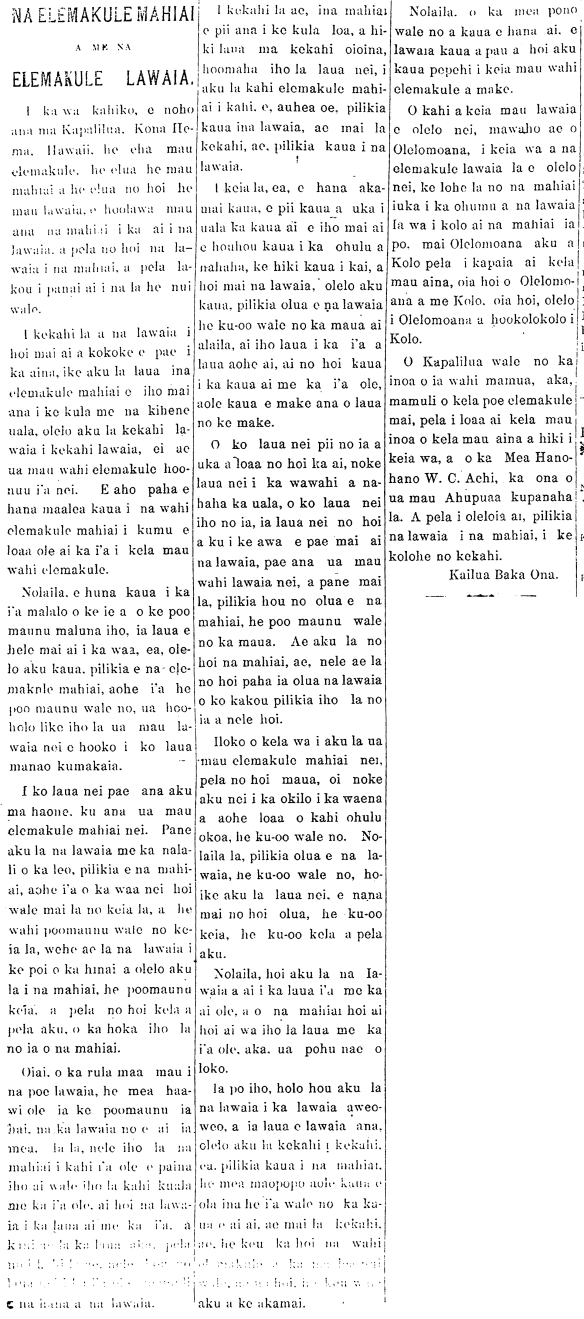
NA ELEMAKULE MAHIAI a me na ELEMAKULE LAWAIA.

Ka Lahui Hawaii, Buke 1, Helu 34, Aoao 2. Sepatemaba 16, 1899.